
Dental Health
A big part of supporting your child’s growth and wellbeing is ensuring their teeth are clean and healthy! This page covers all parts on dental health from the correct way to brush your teeth, to what foods to watch out for and other tips and tricks.
Please use the buttons below to take a short-cut to each topic.
What you need to get started:
Tooth Brushes:
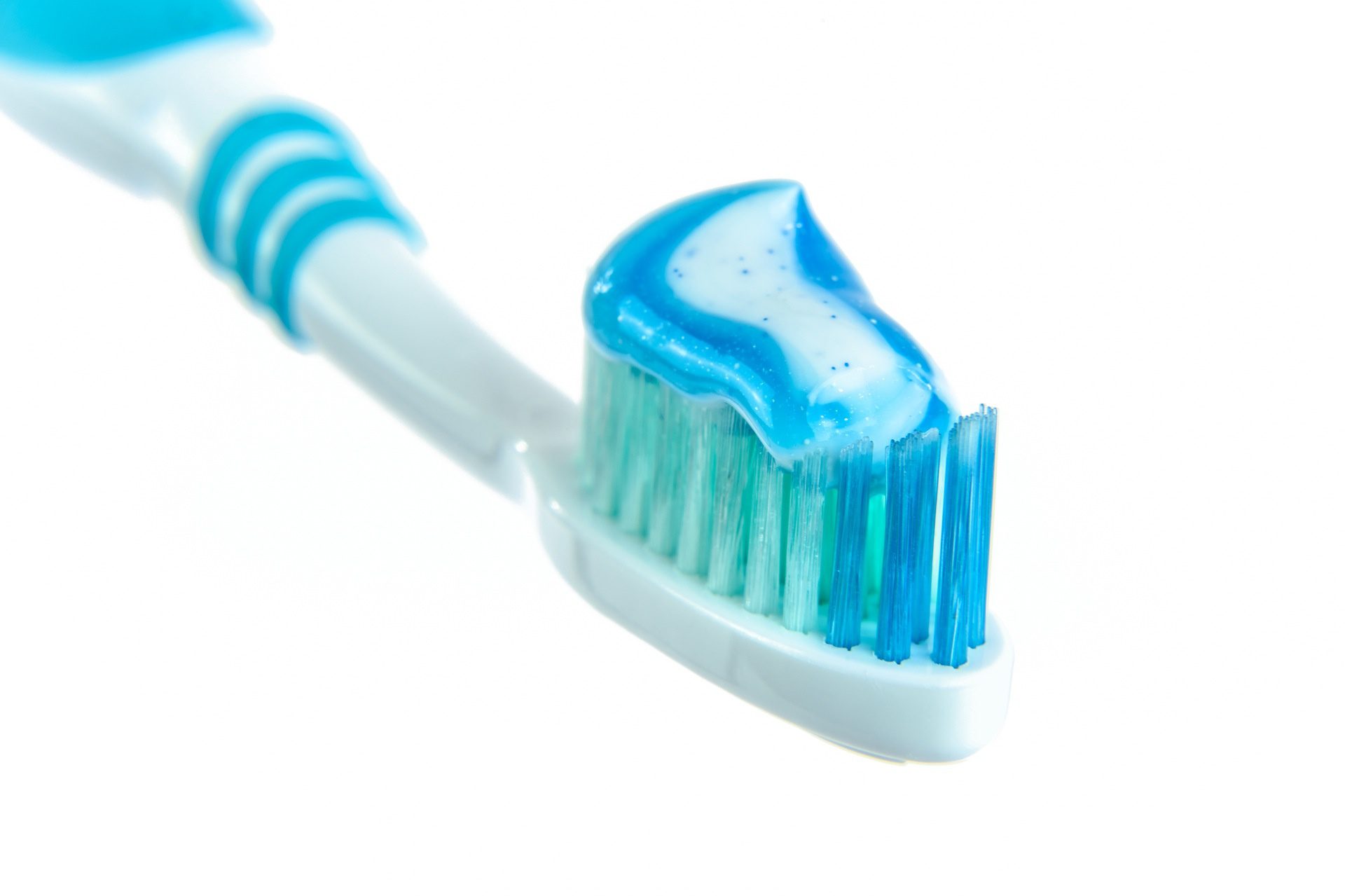
Use a toothbrush with a small head and soft bristles. This can be either manual or electric.
Dentists recommend replacing the toothbrush head every 3 months, as the bristles become frayed and worn with use which reduces the cleaning effectiveness of the toothbrush.
If the bristles go flat within a few weeks then that is a sign your child may be brushing too hard.
Tooth Paste:
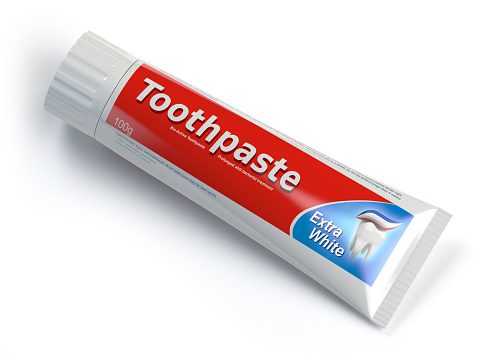
For children under 3 years of age, use a toothpaste containing at least 1,000 parts per million (ppm) fluoride.
For children over three, use a toothpaste containing at least 1,350 parts per million (ppm) flouride.
The fluoride inside toothpaste has several advantages. It helps to create stronger enamel when teeth are forming. In addition to this, it stops teeth from demineralising (first stage of decay) and helps teeth to remineralise (go back to normal strength).
Does your little one have a hard time brushing their teeth?
Children who experience sensory differences may prefer flavourless toothpaste and toothpaste with a different flavour to mint. Non-foaming toothpastes are also available. If you do choose these, make sure that they have the correct amount of fluoride in which is suitable for your child’s age.
How to brush:
Good technique is mostly about placing the toothbrush and its bristles in the right place. It is not about how hard you brush but how effective your technique is. Brushing should always last at least 2 minutes.
Encouraging your child to clean their teeth for the right amount of time is a lot easier if you make the experience more enjoyable for them. Games, reward charts and songs are a great place to start.
Step 1. Outside
Brush the outside surface of each tooth using small circular motions. Make sure to point the brush towards the gums at a 45-degree angle.
Step 2. Inside
Brush the inside surface of each tooth using the same circular motions. Don’t forget to brush close to the gums!
Step 3. To The Back
Brush the tops of the back teeth on the biting surfaces, using a forward and backward motion.
Step 4. To The Front
Tilt the toothbrush vertically to brush behind each front tooth using small up and down strokes. Remember to brush both the top and bottom teeth!
Step 5. Tongue
Don’t forget to brush the tongue. Lots of germs and bacteria hide here!
